


.png)
Ceilings are one of the most important design elements in a home, yet they are often overlooked during the planning stage. In Australian residential construction, the right ceiling type can improve comfort, energy efficiency, lighting and overall visual appeal. Whether you are building a new home or renovating an existing one, understanding the different ceiling styles available can help you make a better decision for your space and budget.
From simple flat ceilings to luxurious cathedral and coffered designs, Australian homeowners now have a wide variety of ceiling options to suit both modern and traditional homes. This guide explores the most common residential ceiling types in Australia, along with their advantages, disadvantages and ideal applications.
Flat Ceiling
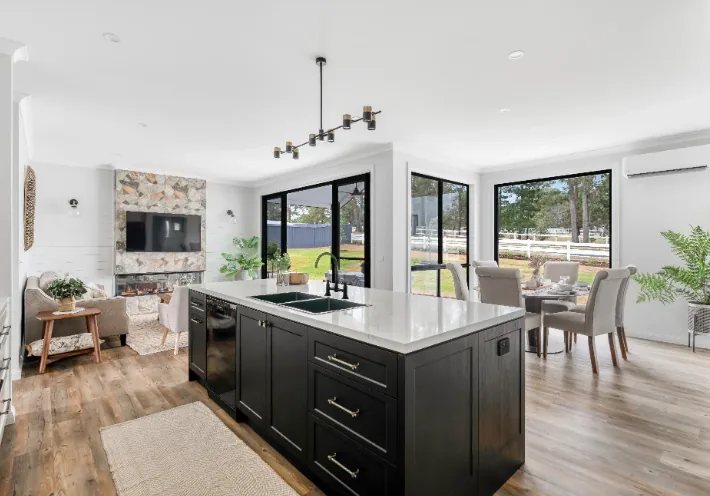
Flat ceilings are the most common choice in Australian homes due to their simplicity, affordability and versatility. They feature a straight horizontal surface and work well in almost every type of residential property.
This ceiling style is particularly popular in modern minimalist homes because it creates a clean and uncluttered appearance. Flat ceilings are also easier to construct and maintain compared to more decorative ceiling designs.
Advantages
- Cost effective installation
- Easy maintenance and repainting
- Suitable for most architectural styles
- Excellent for recessed lighting installations
Disadvantages
- Limited visual impact
- May feel plain in larger living areas
Flat ceilings are ideal for standard family homes, apartments and investment properties where practicality and budget are important considerations.
Raked Ceilings
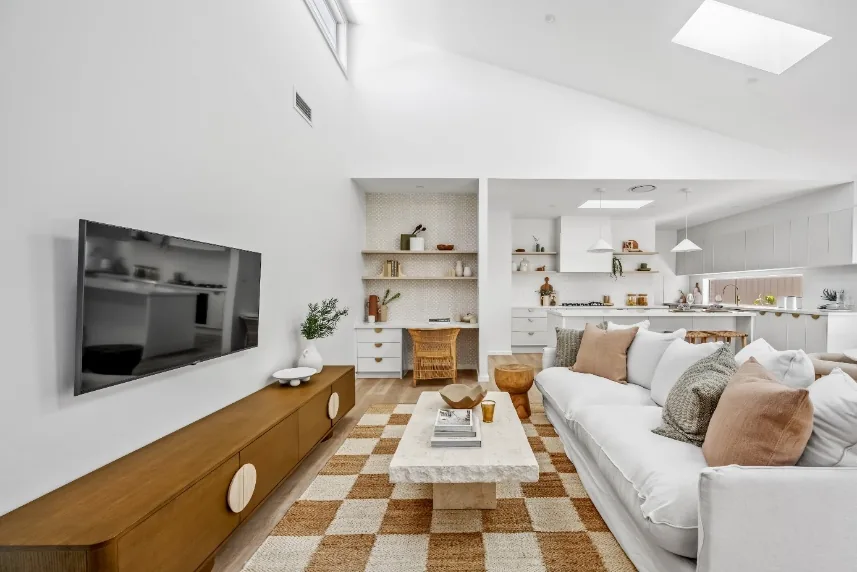
Raked ceilings have become increasingly popular in contemporary Australian architecture, especially in coastal and open-plan homes. Unlike flat ceilings, a raked ceiling follows the slope of the roofline, creating a more open and spacious atmosphere.
One of the biggest advantages of a raked ceiling is the sense of height and natural light it introduces into a room. Larger windows and skylights are often paired with this design to maximise brightness and airflow.
Advantages
- Creates a spacious and airy feel
- Enhances natural light and ventilation
- Adds modern architectural character
- Ideal for open-plan living spaces
Disadvantages
- Higher construction costs
- More challenging insulation requirements
- Increased heating and cooling expenses
Raked ceilings work particularly well in living rooms, dining spaces and modern Australian coastal homes.
Cathedral Ceilings
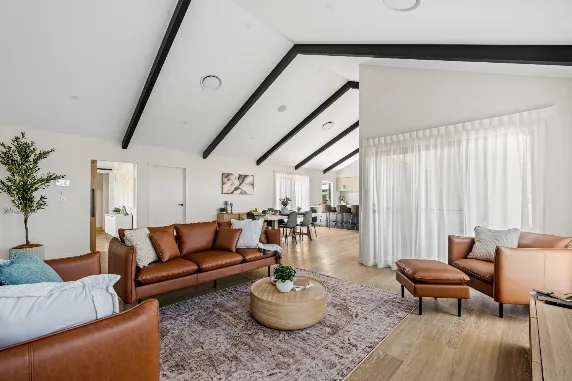
Cathedral ceilings are designed with symmetrical sloping sides that meet at a high central point, creating a dramatic and luxurious appearance. This ceiling style is often associated with premium homes and grand interior spaces.
Because of their impressive height, cathedral ceilings can make a room feel significantly larger and more elegant. They are commonly used in formal living areas and entry spaces where homeowners want to create visual impact.
Advantages
- Luxurious and visually striking
- Creates a sense of openness
- Allows more natural light into the home
Disadvantages
- Expensive to build and maintain
- Higher long-term energy costs
- Difficult to clean and repaint
While cathedral ceilings offer undeniable visual appeal, they are generally better suited to larger homes with sufficient insulation and climate control.
Tray Ceilings
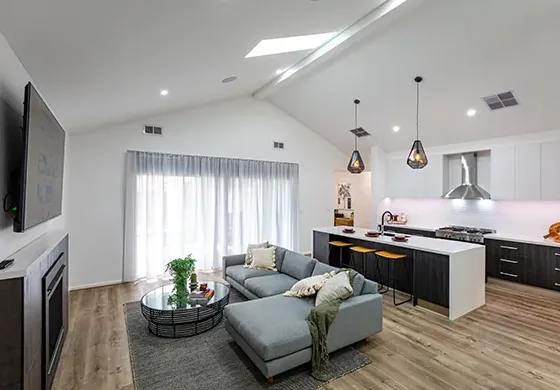
Tray ceilings provide a subtle but elegant design feature by raising the central section of the ceiling above the surrounding perimeter. This layered effect adds depth and architectural interest without dramatically increasing construction complexity.
In modern Australian homes, tray ceilings are often combined with LED strip lighting to create a soft and sophisticated atmosphere.
Advantages
- Stylish and modern appearance
- Enhances lighting design
- Adds depth to bedrooms and living areas
Disadvantages
- Slightly more expensive than flat ceilings
- Requires skilled plastering and finishing
Tray ceilings are commonly used in master bedrooms, dining rooms and contemporary living spaces.
Coffered Ceilings
Coffered ceilings feature a grid of recessed panels, usually in square or rectangular shapes. This traditional ceiling style adds texture, detail and elegance to interior spaces.
Although less common in standard Australian homes, coffered ceilings are often found in luxury residences and heritage inspired interiors.
Advantages
- Premium and sophisticated appearance
- Adds architectural detail
- Can improve room acoustics
Disadvantages
- High installation cost
- Requires regular maintenance
- Less suitable for low ceilings
Coffered ceilings are best suited to larger rooms with high ceiling heights where decorative detail can be fully appreciated.
Choosing the Right Ceiling for Your Australian Home
Selecting the ideal ceiling type depends on several important factors, including budget, climate, home design and lifestyle preferences.
Before deciding, homeowners should consider:
- Energy efficiency and insulation requirements
- Ceiling height and room proportions
- Lighting design
- Long-term maintenance
- Overall architectural style
For example, high ceilings may improve ventilation in warmer Australian climates, while flat ceilings may offer better affordability and easier climate control.
Final Thoughts
Ceilings play a far greater role in residential design than many homeowners realise. Beyond aesthetics, the right ceiling type can improve comfort, lighting, acoustics and even energy efficiency.
Flat ceilings remain the most practical option for many Australian homes, while raked, cathedral, tray and coffered ceilings offer opportunities to create more distinctive and visually impressive interiors.
Ultimately, the best ceiling design is one that complements both the style of the home and the practical needs of everyday living.